


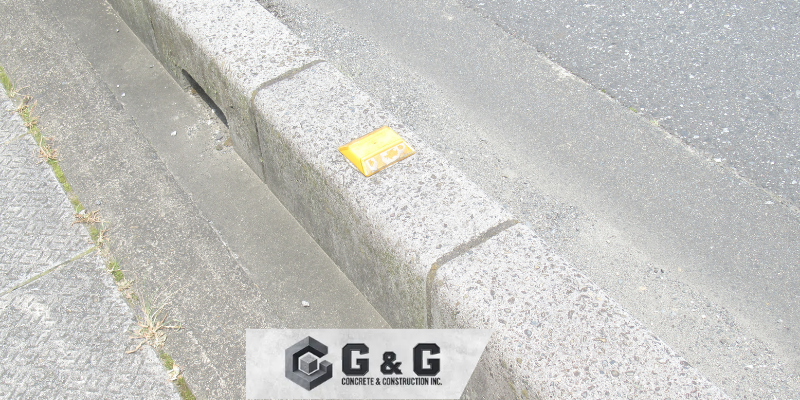
Concrete curbs and gutters can be made from a range of materials, including asphalt, stone, and masonry block, but most are made from concrete. Although these roadway components are durable, they take a lot of wear, especially in areas that experience heavy rainfall.
The curb isn’t aesthetic. It’s a critical functional part that creates a barrier and a channel for runoff, while the gutter (the flat surface perpendicular to the curb) helps ensure water flows into the proper drainage points. Cracks and deterioration, which typically occur when water seeps into the concrete and is subjected to multiple freeze-thaw cycles, lead to drainage issues and pooling, further increasing the likelihood of premature curb and gutter failure.
Like any concrete structure, curbs and gutters are easy to maintain and only involve three primary tasks: cleaning debris, sealing, and regular seasonal inspections.
Cleaning
How Often to Perform: Once a month, at minimum
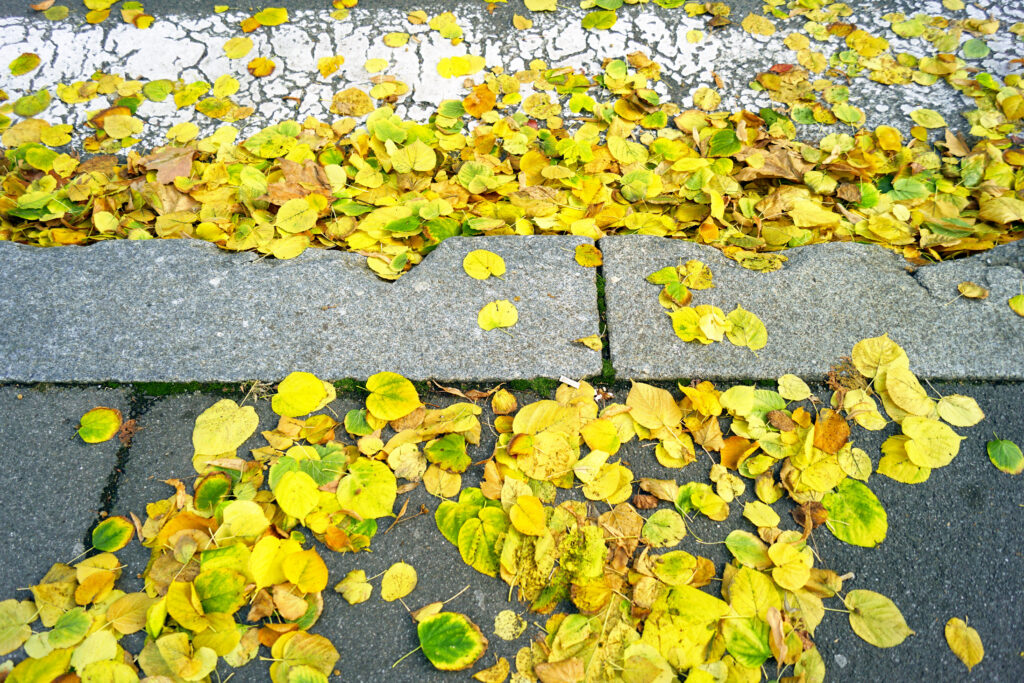
Curb and gutters only require regular sweeping away of built-up debris. Leaves are the usual offenders, but landscaping companies (especially if they don’t have a good clean-up process) may blow grass clippings or pulled weeds into the gutter area. A little debris won’t hurt, but if it builds up significantly, it can hinder drainage and cause water to pool, or, if there are leaves or other vegetation, cause staining. Frequency will increase in the fall months, as well as during stormier weeks.
Sealing
How Often to Perform: Every 3-5 years
Sealing doesn’t have to be done every year. We usually recommend sealing concrete after three to five years, or when you notice water absorbing into the concrete more frequently. Sealing isn’t entirely necessary, but it helps prolong the life of concrete structures, including curbs and gutters, by sealing entry points that encourage water intrusion.
Seasonal Inspections
How Often to Perform: Twice a year, at minimum
Inspections are most important after winter. In many cases, snow throughout the colder months hides damage, and if existing cracks weren’t repaired, snow can enter them, melt as temperatures rise, and freeze again as temperatures drop. This is called the “freeze-thaw” cycle, and it accelerates concrete degradation.
Inspect the concrete curbs and gutters in late winter or early spring, after most of the threat of snow is gone, and in late summer or early fall to ensure your concrete is protected going into the colder months.
During the inspections, look for:
- Cracks
- Crumbling or broken sections
- Weeds/vegetation
- Flow issues/pooling water
- Erosion
Crack Repairs
How Often to Perform: As soon as identified
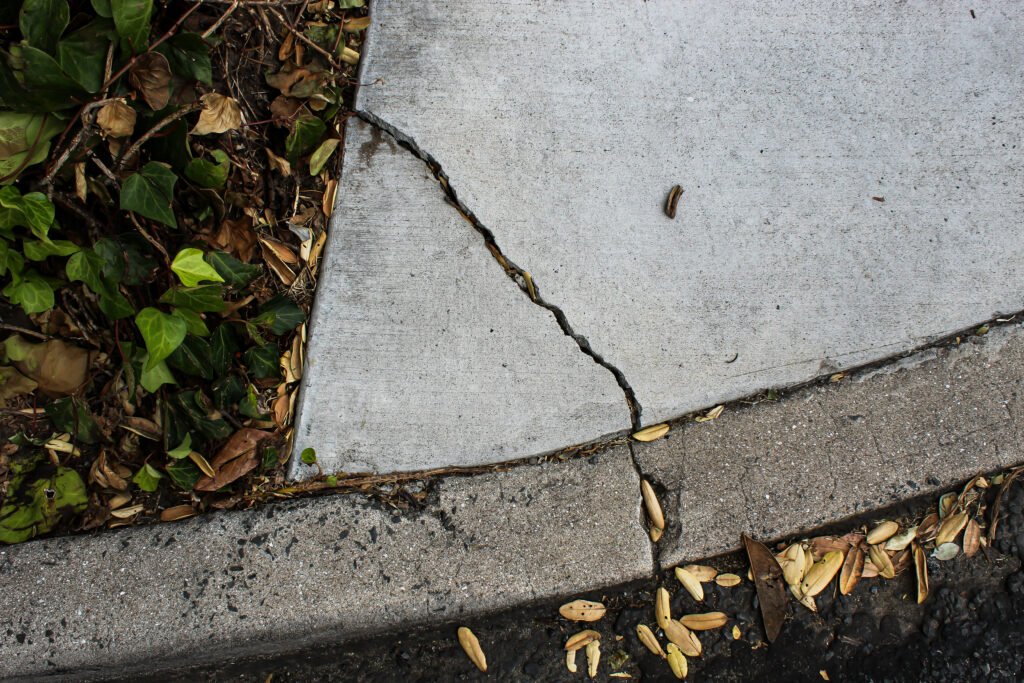
When you notice cracks and other instances of minor damage, contact a concrete repair professional. Cracks allow water to intrude and wear away at the curb and gutter over time. Crack repairs are relatively hassle-free, although more significant cracks and spalling (crumbling) may require replacement. The point is: repair it as soon as you catch it, and don’t wait until the problem gets worse (which it inevitably will).
Who Is Responsible for Maintaining Curbs & Gutters?
Concrete curbs and gutters can be tricky because in Michigan, that responsibility is shared by both the city and the property owner.
As the property owner, whether residential or commercial, you are responsible only for cleaning away debris, such as leaves and grass clippings, and for seasonal inspections. If you notice damage that requires either a repair or a replacement, you will need to contact your city’s Public Works Department.
Get Help Maintaining Your Concrete Curbs & Gutters
A restored curb and gutter system offers structural support, prevents erosion, improves parking lot and roadway edges, and increases curb appeal. If you’ve noticed pooling water, cracks and divots, crumbling, or uneven sections in your curb and gutters, contact G&G Concrete & Construction today. We work with commercial and residential property owners and coordinate with local cities throughout Southeast Michigan to restore and replace these structures as needed.
Visit our website to learn more about our capabilities and past work, or contact us today to request a free project estimate.
